Radiosol: a shadow-driven exploration game with a spider-mech viewpoint
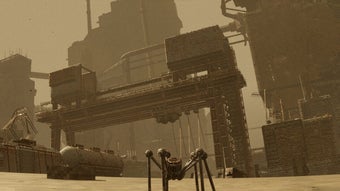
RADIOSOL, developed by TripletConcept, is a Windows atmospheric simulation and adventure title about post-apocalyptic exploration and survival. Players pilot a spider-like robot through ruined megastructures and abandoned cities, staying in shadow to avoid lethal sunlight while intercepting radio signals that reveal the vanished civilization's story. It pairs a pixel-art and 3D hybrid aesthetic with large open-world structures, shadow-based survival, and environmental storytelling. Players who enjoy walking simulators and sci-fi exploration seeking slow, contemplative discovery are the primary audience.
What kind of experience does the game offer?
The game emphasizes exploration and environmental discovery, framing progression around cautious traversal and decoding the world. Players inhabit the protagonist and use specialized movement capabilities that alter how spaces are approached, turning scale and verticality into gameplay considerations. That perspective forces careful route choice inside the megastructures and makes movement decisions the primary method for uncovering narrative fragments hidden across the ruins.
Does it include multiplayer or combat systems?
The title focuses on a solitary journey through an open-world of immense structures rather than squad or competitive play. Survival centers on light and shadow management instead of weaponized encounters, so players face navigational and environmental hazards. Key emergent systems include:
- route planning to remain in shaded paths
- thermal exposure as an environmental constraint
- information gathering from scattered broadcasts and ruins
What does the game look and sound like in practice?
The camera uses a third-person view that highlights the machine’s silhouette against vast architecture, which helps convey scale. Visuals blend low-resolution elements with three-dimensional space to produce a stylized, melancholic palette. Audio favors sparse soundscapes and distant transmissions that set tone and hint at objectives, while the interface leans toward unobtrusive feedback so players read the world through environmental cues rather than intrusive markers.
Is the learning curve and replay value suitable for casual players?
Onboarding gives little hand-holding, because story and goals appear through environmental storytelling rather than explicit tutorials, so the design rewards patient curiosity. Progression depends on exploration and contextual discovery, a loop that appeals to contemplative players. Practical factors matter too: the developer collaborates with indie partners, the game targets Windows with modern GPU requirements, and a late-2026 release is scheduled, which affects accessibility and follow-through for interested players.
Who should settle into this contemplative journey?
Players who enjoy slow, solitary exploration and experimental perspectives get the most from this title; it rewards patience, curiosity, and careful observation. Those seeking fast-paced combat or explicit guidance should look elsewhere. Ultimately, the game suits explorers who prefer mood and mystery; brief sessions expose curiosities, while longer playthroughs deepen understanding of the world's layers. Consider it a thoughtful choice for solitary explorers.